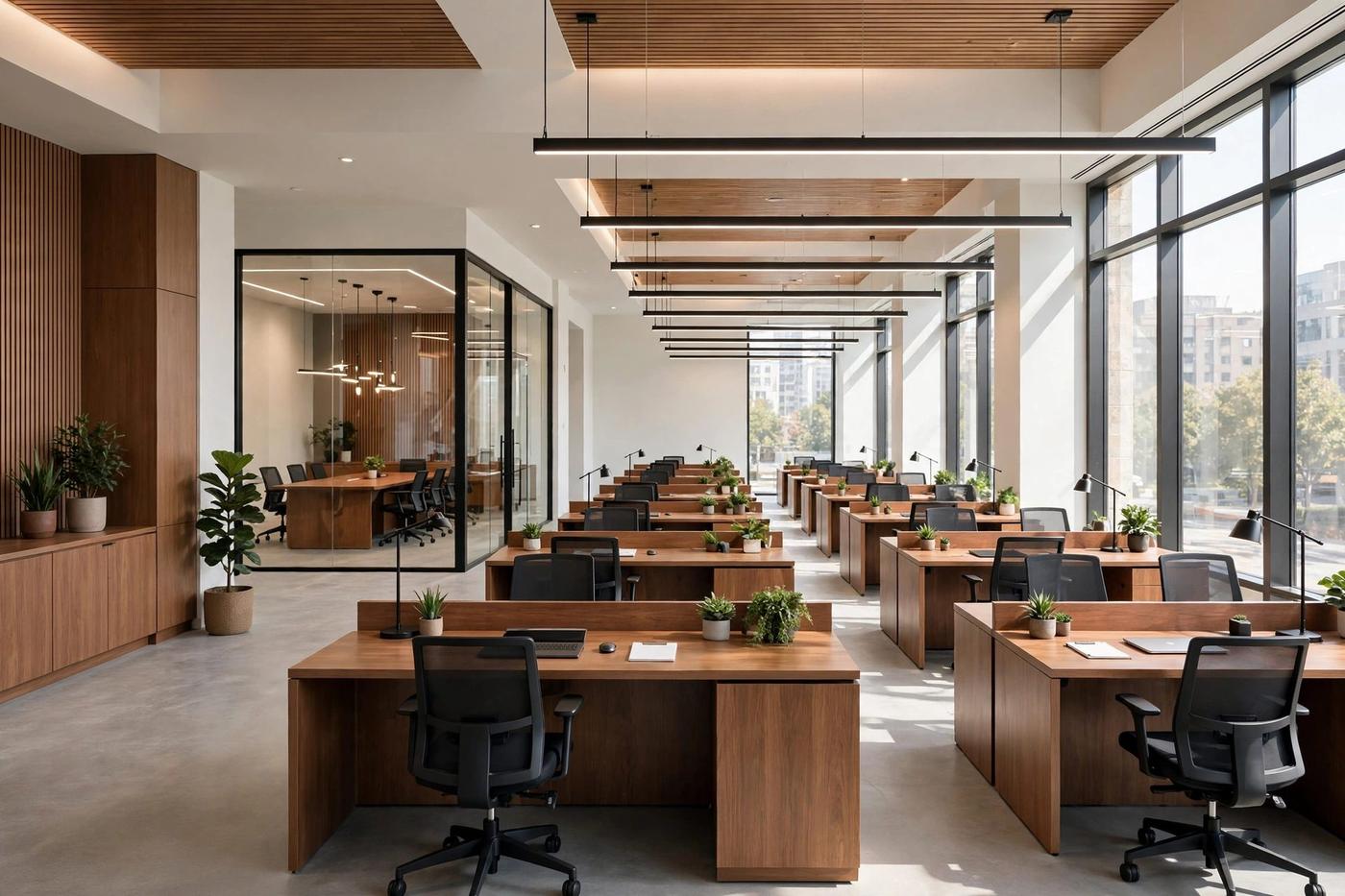
Commercial vs residential construction in Indianapolis — how codes, schedules, budgets, and crews differ, and why hiring the right kind of contractor for your project matters.
If you’re planning a project in Indianapolis, one of the first questions worth asking is a simple one: is this commercial work or residential work? The answer changes more than you’d think. The two worlds share tools, trades, and a lot of the same materials — but they run on different codes, different schedules, different budgets, and different expectations.
A contractor who is excellent at one is not automatically excellent at the other. Here’s what actually differs, and why it matters for your project.
The Short Version
Residential construction is built around people living in the space. Commercial construction is built around people working, shopping, eating, or receiving care in the space — often while the business stays open. That one difference ripples through nearly everything: permits, inspections, accessibility, fire safety, scheduling, and cost.
Neither is “harder” in some absolute sense. They are different disciplines, and the mistakes happen when someone treats one like the other.
Codes and Permits: Different Rulebooks
Residential work in Indiana generally follows the residential code — rules written for houses, duplexes, and small dwellings. Commercial work follows the commercial building code, plus a stack of additional requirements that rarely touch a house:
- Occupancy classification. A restaurant, a medical office, a retail store, and a warehouse are all different occupancy types, each with its own rules for exits, fire separation, and construction type.
- Accessibility. Commercial spaces must meet ADA requirements in ways a private home does not: accessible entrances, restrooms, parking, routes, and counters. Getting this wrong is not a cosmetic problem — it can shut a project down or trigger a costly retrofit.
- Fire and life safety. Sprinkler systems, fire alarms, exit signage, emergency lighting, and fire-rated assemblies are far more involved in commercial work, and they are inspected more rigorously.
- Energy and mechanical codes. Commercial HVAC, lighting controls, and ventilation requirements are a different animal from a home furnace and a few light switches.
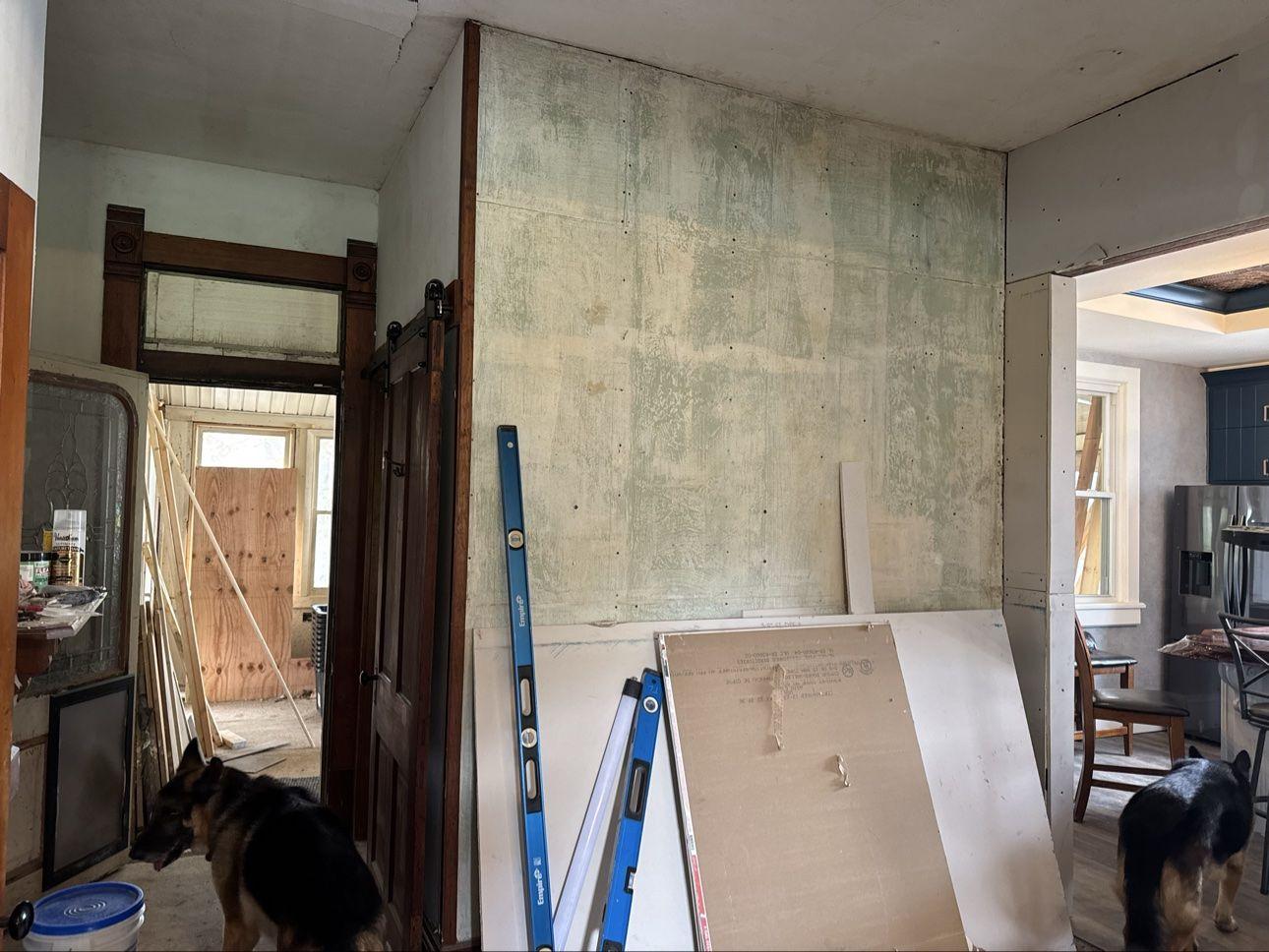
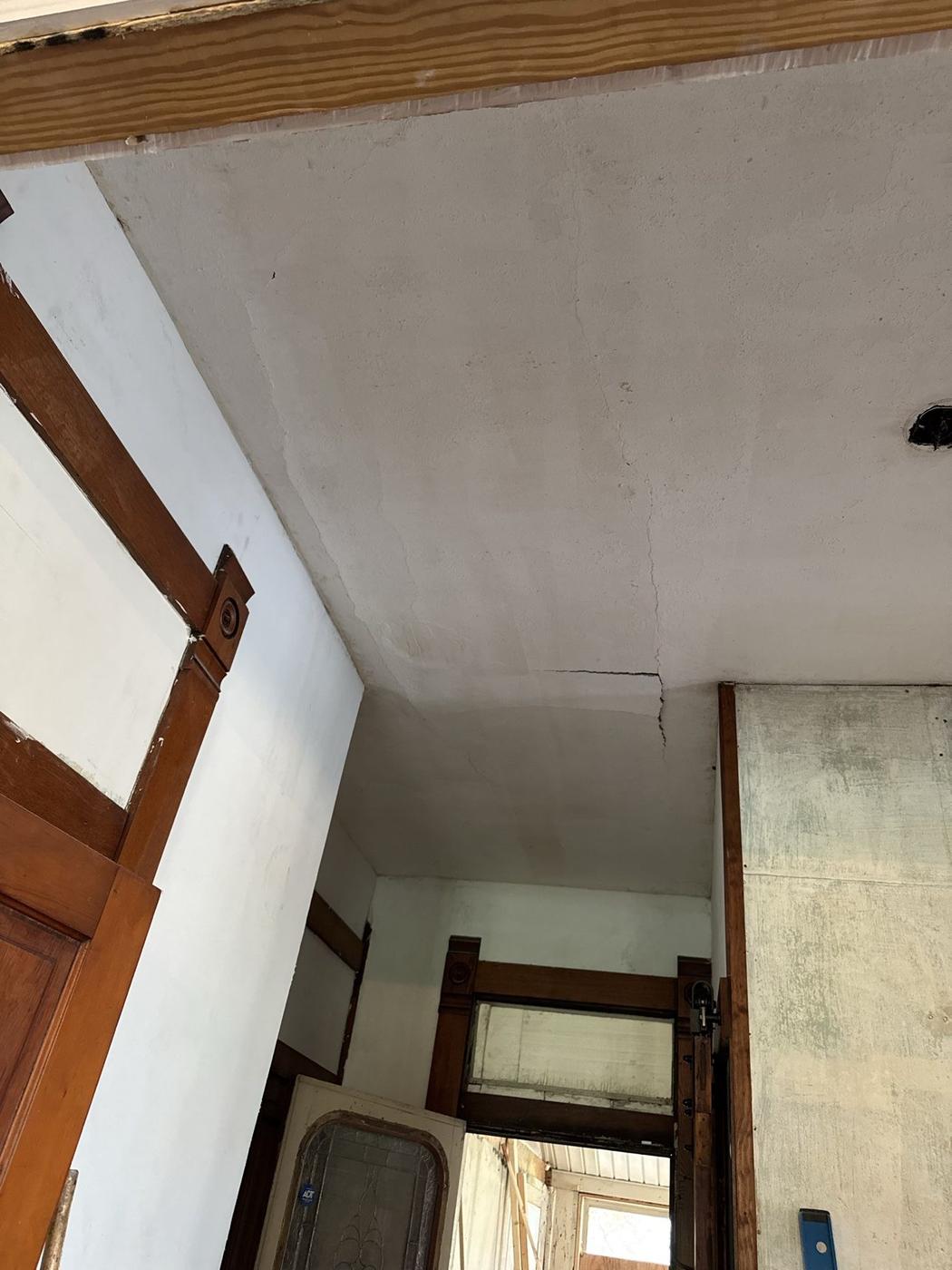
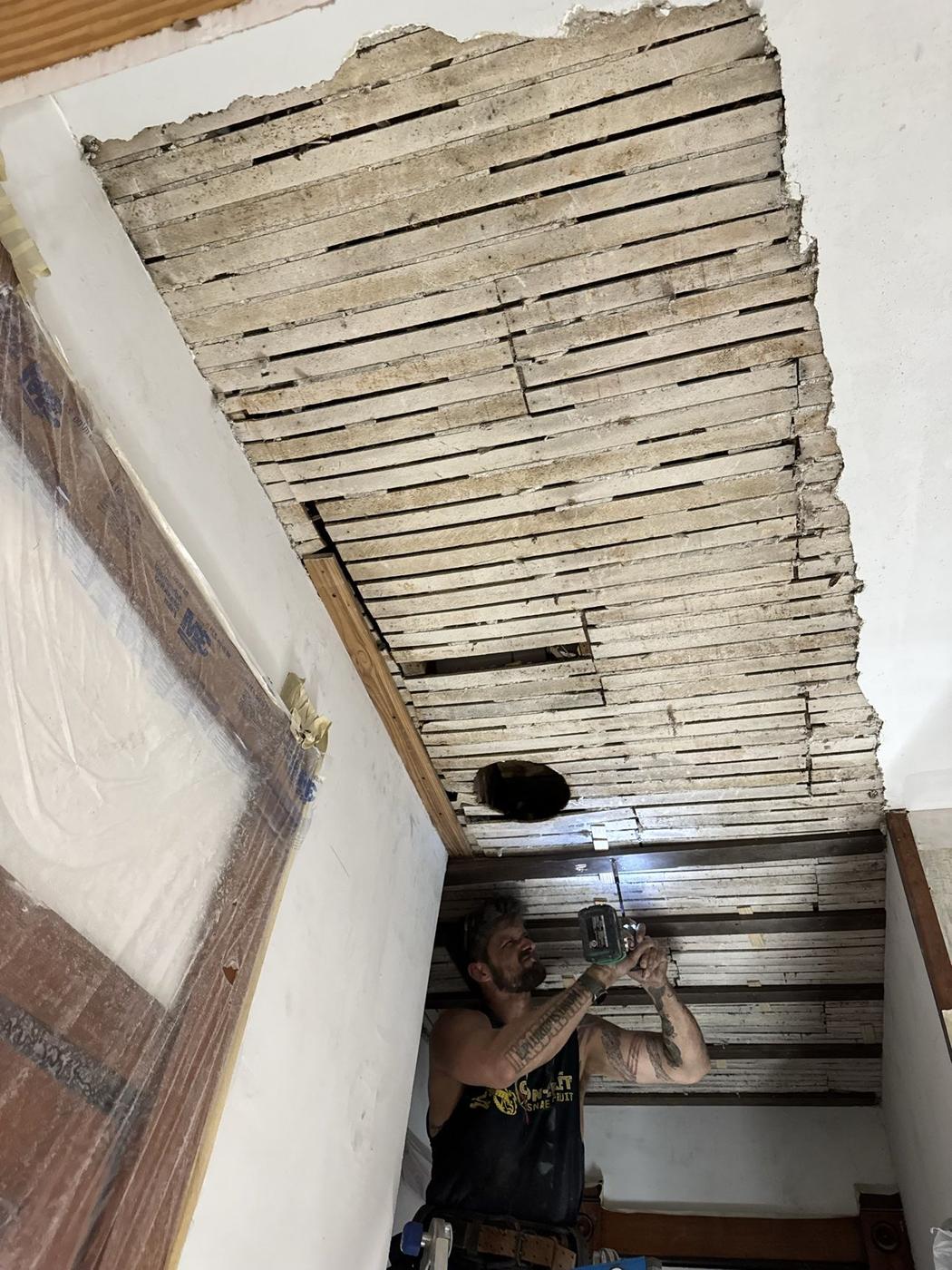
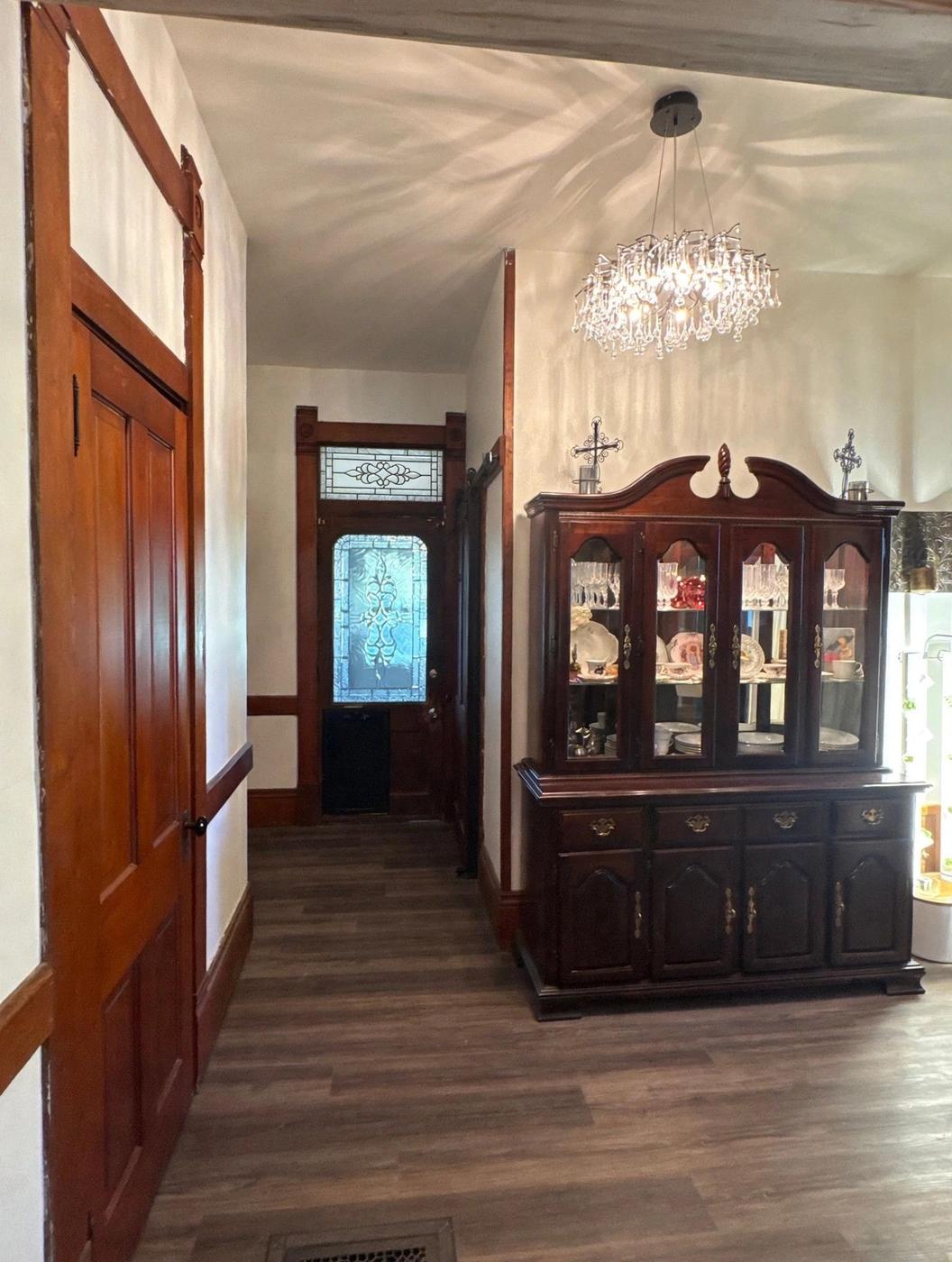
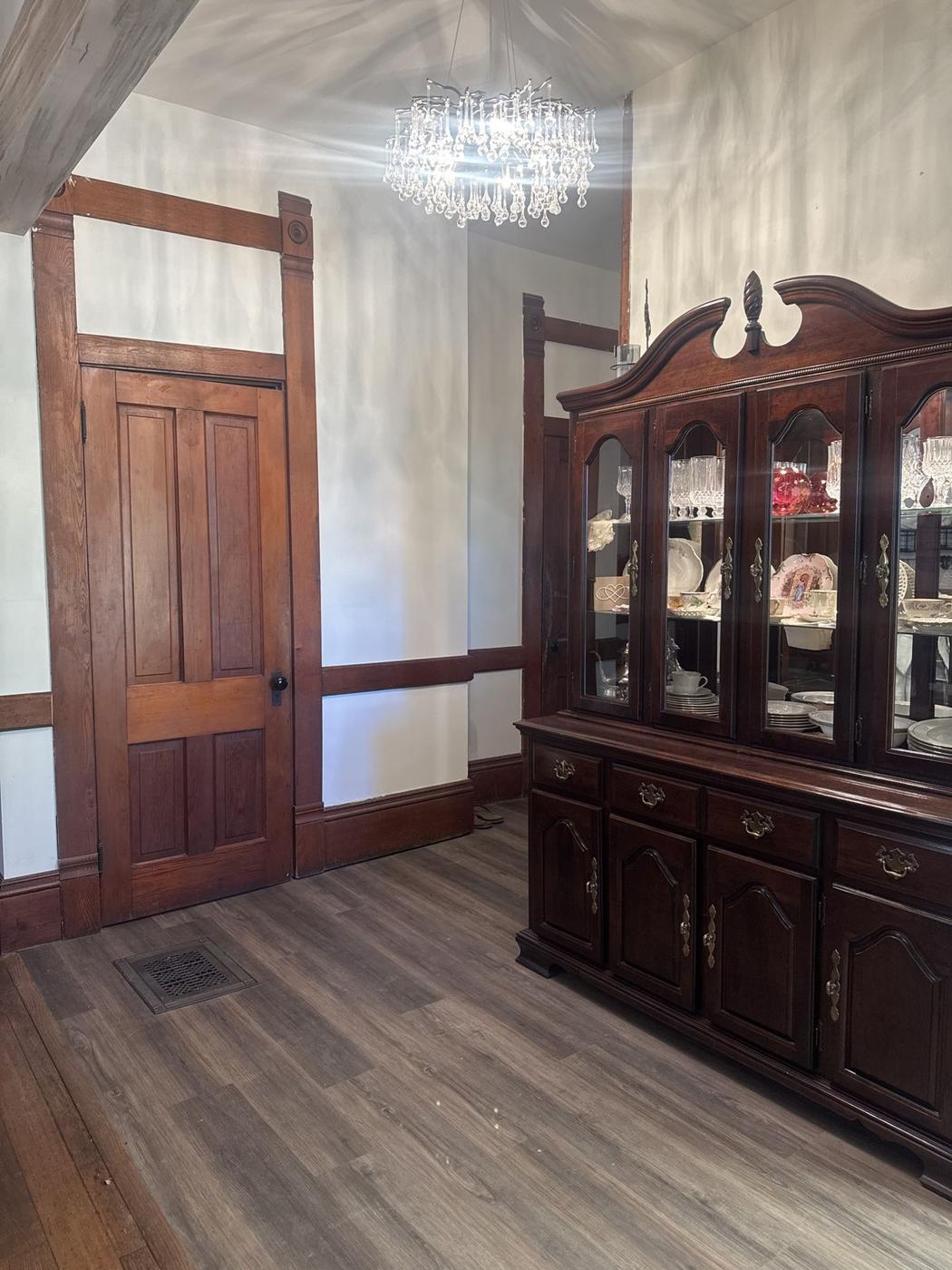
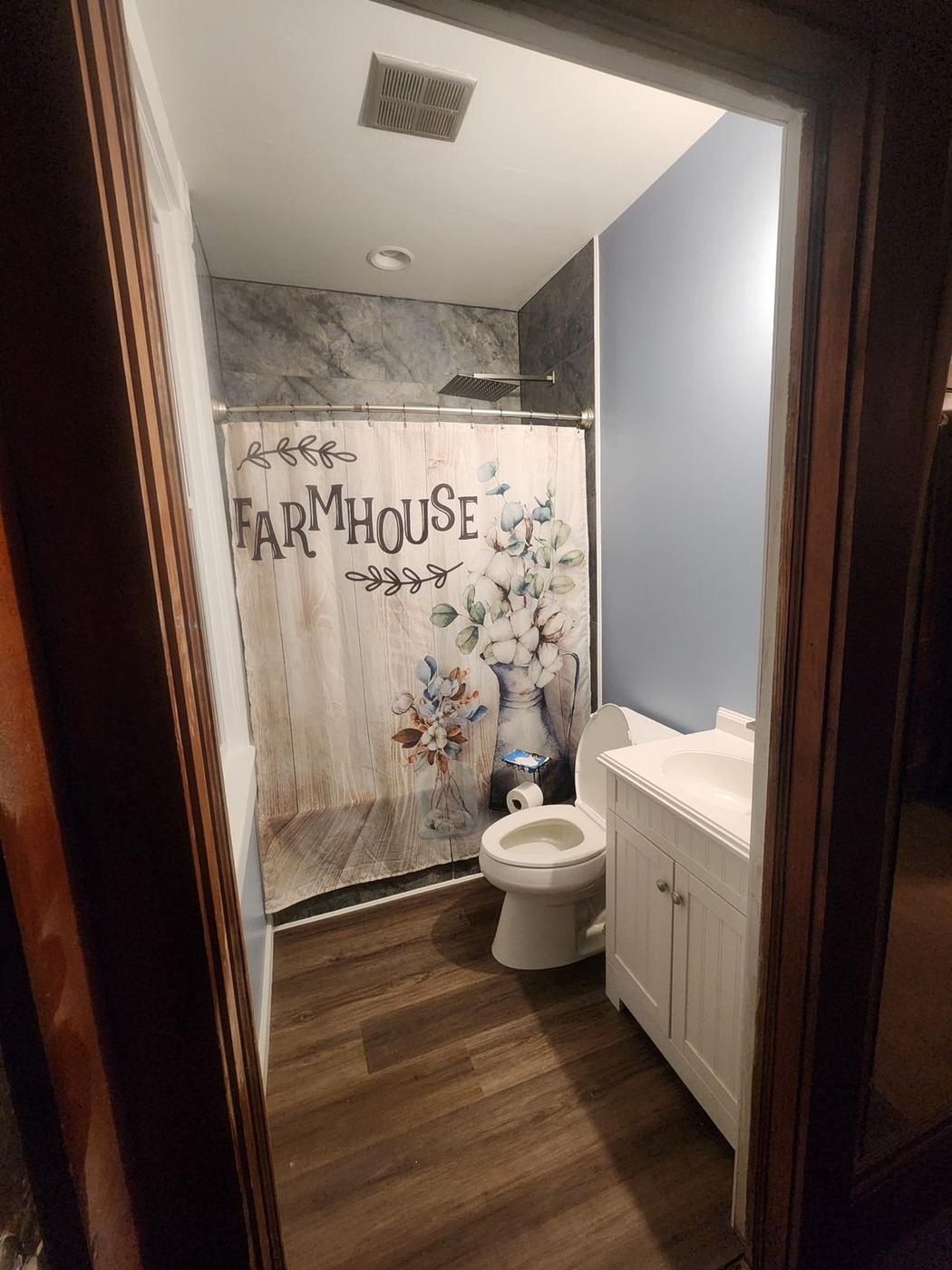
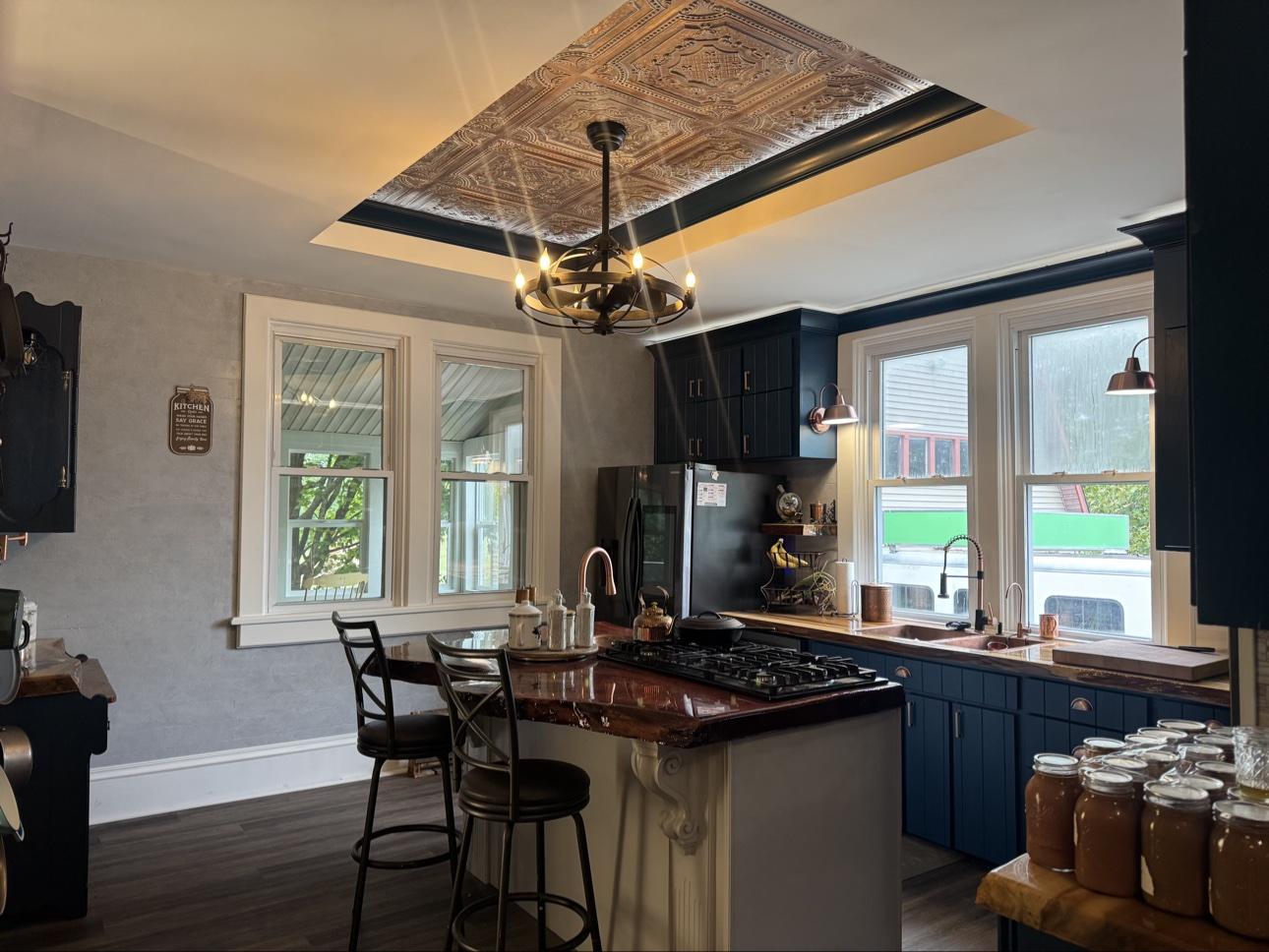
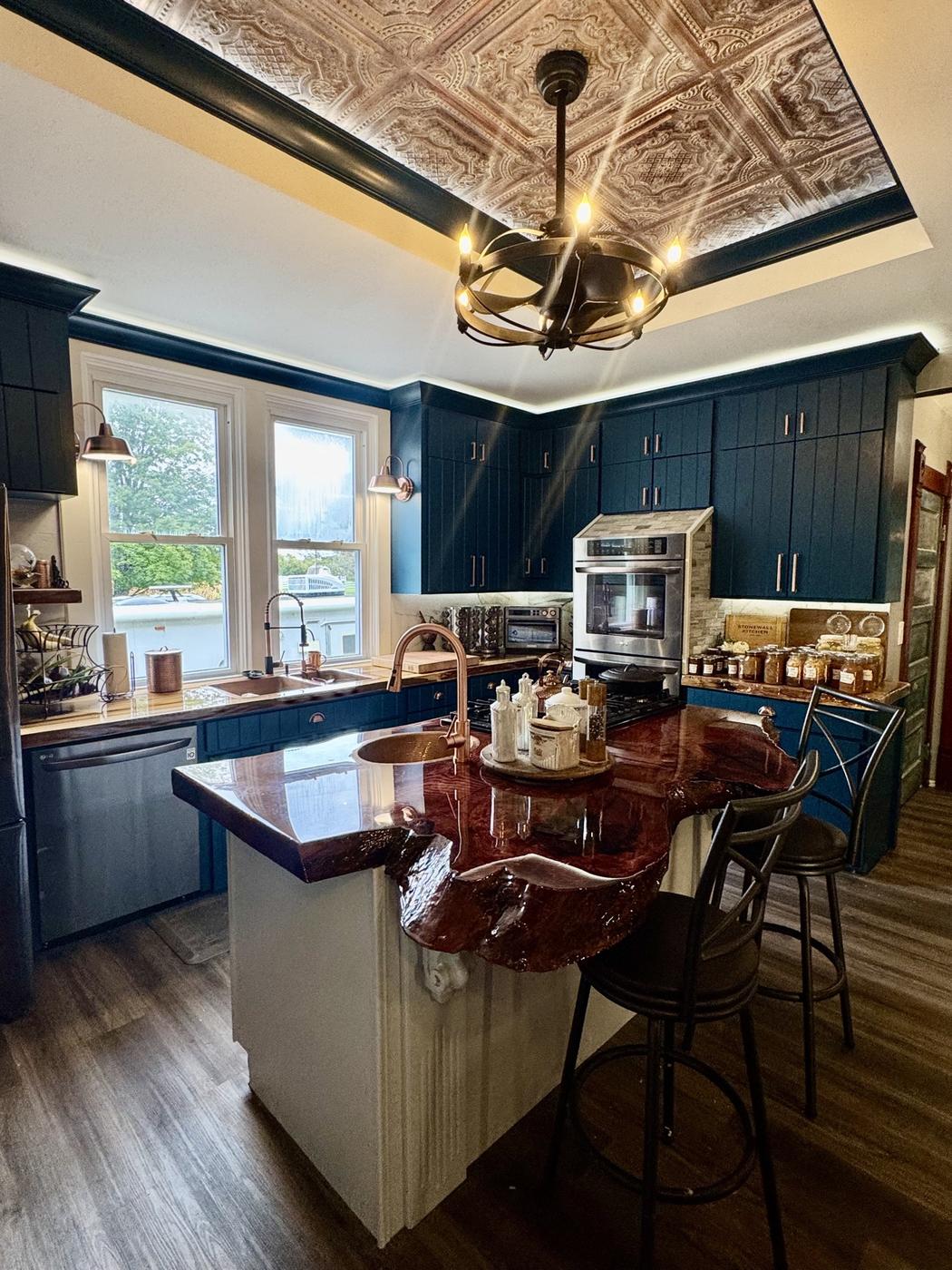
A residential-only contractor can be caught off guard by all of this. A commercial contractor who only does offices can be equally lost in the details of a Victorian home renovation — plaster walls, old framing, lead paint, and the kind of finish work a homeowner actually lives with every day.
The point is not that one code is stricter. It is that they are different, and experience in one does not automatically transfer to the other.
(Sources: the International Code Council, which publishes the building codes adopted across the U.S., and OSHA’s construction safety standards.)
Who’s in the Room: Owners, Tenants, Landlords, and Inspectors
On a residential project, the decision-maker is usually one person or one family. The conversation is direct: what do you want, what does it cost, when can it be done?
Commercial projects add layers:
- The tenant who will use the space.
- The landlord who owns the building and must approve plans, materials, and the contractor.
- The property manager who controls access, freight elevators, after-hours work, and building rules.
- The design team — architects, engineers, and sometimes a brand or franchise reviewer with its own standards.
- More inspectors, more often, including fire marshals and health departments for restaurants and medical spaces.
That means commercial work takes more coordination. Schedules have to account for approvals that a homeowner project never needs. A good commercial contractor builds that coordination time into the plan instead of discovering it mid-project.
For more on how the landlord side of commercial work plays out, see our guide to tenant improvement costs in Indianapolis — including the tenant improvement allowance, who pays what, and why walking the space with a contractor before you sign a lease is the highest-value step in the whole process.
Schedules: Living in It vs. Staying Open for Business
Residential schedules revolve around the family’s life. Can they stay in the house during the work? Which rooms are off-limits? When does the dust stop? A good residential crew plans around school schedules, pets, and the simple fact that people sleep there.
Commercial schedules revolve around the business staying alive:
- Phased work so a store, office, or restaurant can keep operating while part of the space is under construction.
- Off-hours work — nights and weekends — for the loud, dusty, or disruptive phases.
- Hard open dates tied to lease start dates, franchise openings, or seasonal business. Missing a restaurant’s opening by three weeks is not an inconvenience; it is lost revenue.
- Coordination with neighboring tenants in multi-tenant buildings, where noise, dust, and deliveries affect businesses that have nothing to do with your project.
Commercial timelines also tend to run longer, not because the work is slower, but because there is more of it: more trades, more inspections, more approvals, and more specialized systems. A basic office refresh might run 4–8 weeks; a full build-out, 10–16 weeks; a restaurant or medical space, 16–24 weeks or more. Residential kitchen and bathroom remodels, by contrast, are usually measured in weeks, not months — though a full Victorian renovation is its own long story.
Budgets: Where the Money Actually Goes
The cost structures differ in ways that surprise people on both sides:
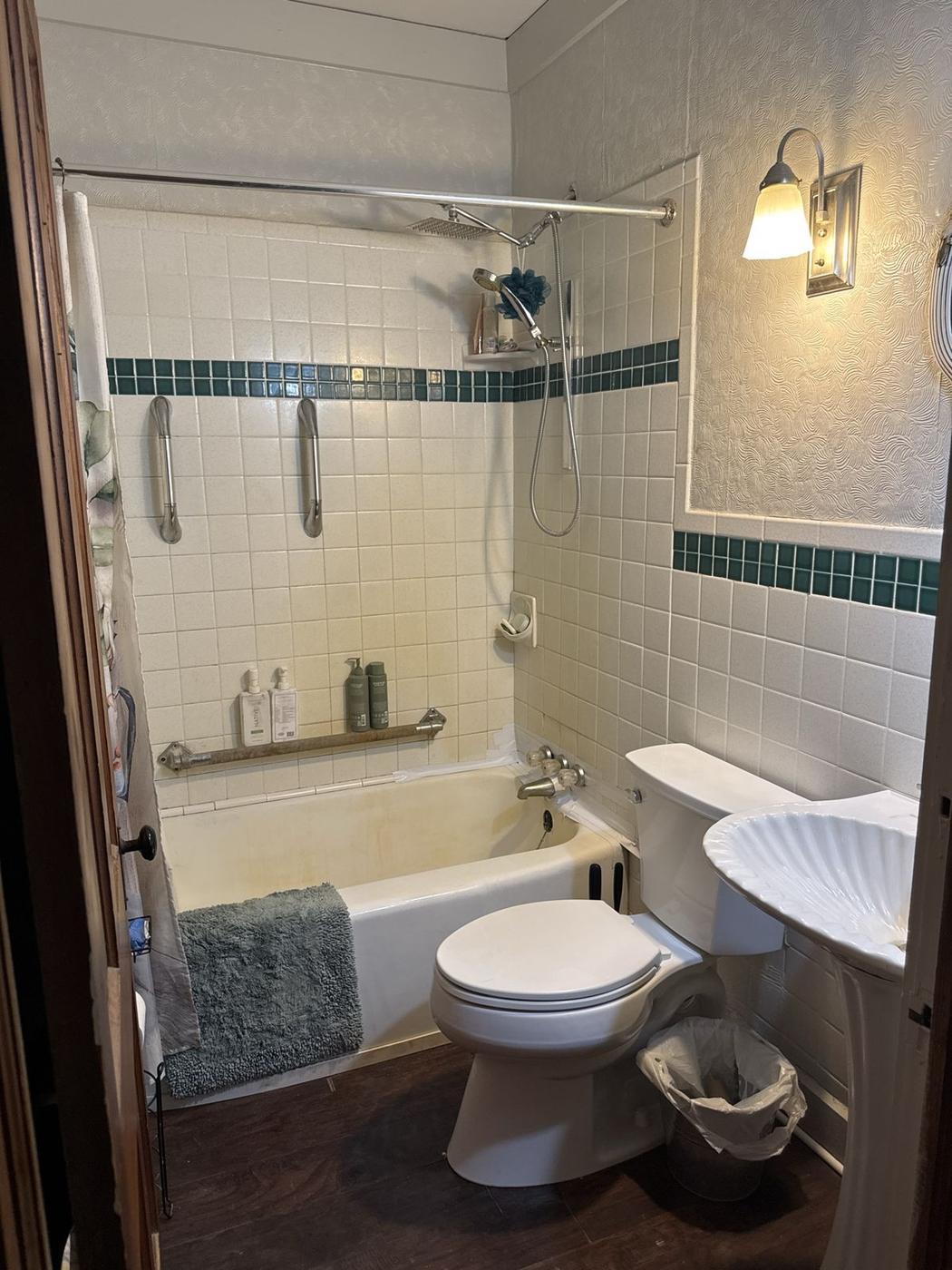
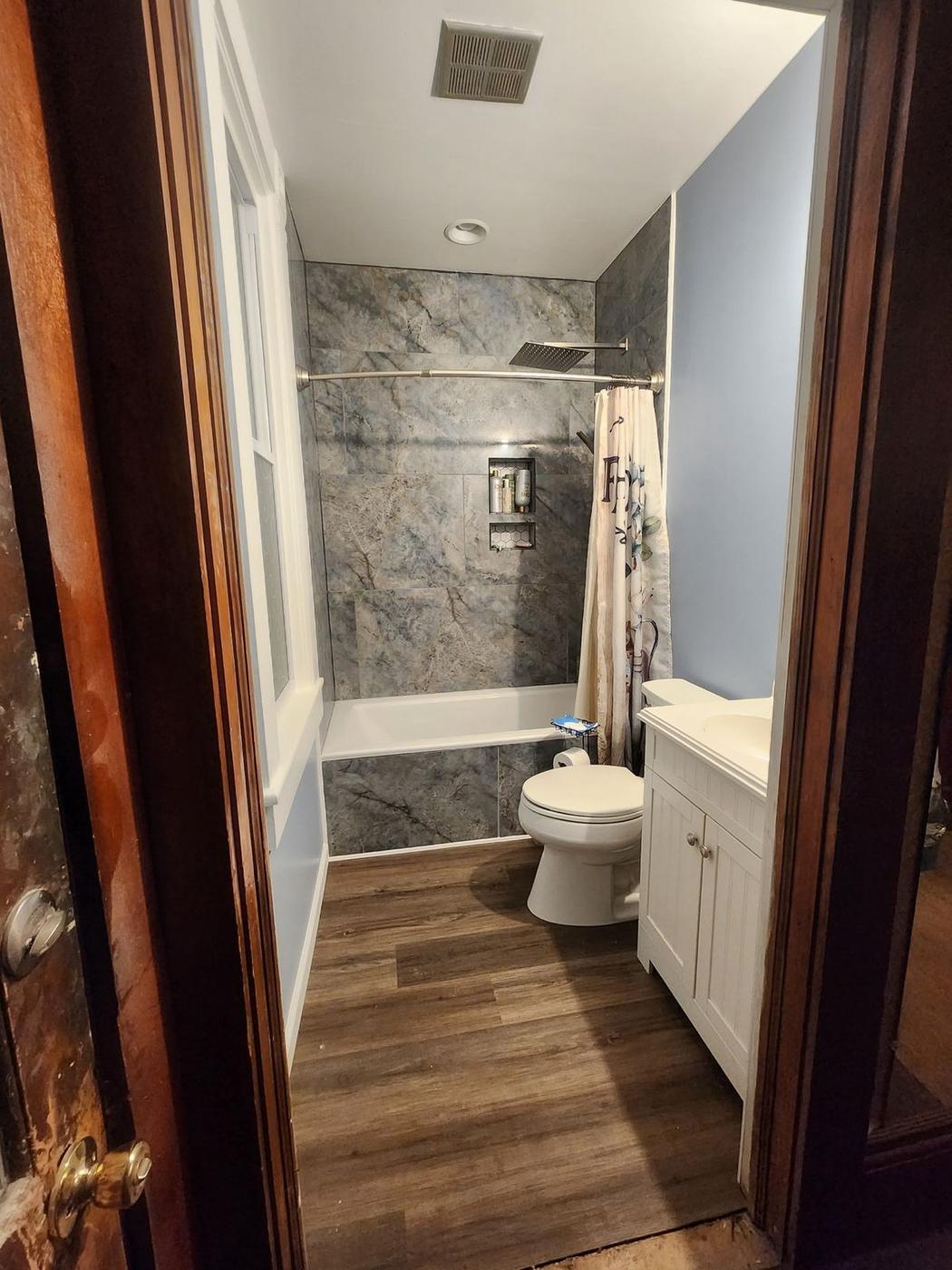
In residential work, the visible finishes often dominate the conversation — cabinets, countertops, tile, fixtures. The hidden costs (framing repairs, electrical upgrades, plumbing reroutes in old walls) are where budgets actually blow up, which is why a line-item estimate beats a per-square-foot guess every time. Our kitchen remodel cost guide walks through that in detail.
In commercial work, the mechanical, electrical, and plumbing systems (MEP) usually dominate. Walls and paint are cheap; what is behind the walls is expensive. HVAC distribution, electrical panels, fire suppression, restrooms, and code-required systems eat a much larger share of a commercial budget than they do in a house. Finish level matters too, but a commercial project’s cost is driven first by systems and code, and only second by surfaces.
Commercial budgets also include items a homeowner never sees: tenant improvement allowances negotiated into the lease, landlord work letters, permit fees at a different scale, and soft costs (design, engineering, project management) that run higher because more professionals are involved.
Neither side is “cheaper” in any useful sense. A $50,000 kitchen remodel and a $50,000 office refresh are not comparable projects — they are different scopes, different systems, and different risks.
Crews and Subcontractors: Scale Changes the Job
A residential crew is often small — a lead carpenter, a couple of tradespeople, and subcontractors brought in for electrical, plumbing, and HVAC. The same faces show up most days, and the homeowner gets to know them.
A commercial crew is larger and more specialized. You may have separate crews for framing, drywall, ceilings, flooring, and finishes, plus mechanical, electrical, and plumbing contractors running in parallel, plus a superintendent coordinating all of it. Communication becomes a formal job in itself: daily logs, coordination meetings, submittals, and requests for information (RFIs) that keep a dozen trades from working at cross-purposes.
That scale is also why commercial contractors tend to be more paperwork-heavy — and why that paperwork matters. When ten trades are on site, “we talked about it” is not a plan. Written coordination is.
Quality: What “Done Right” Looks Like in Each World
Residential quality is judged up close, every day, by the people who live there. A cabinet door that rubs, a tile line that is slightly off, a paint edge that is not quite clean — the homeowner sees it every morning. Residential finish work has to hold up to daily, intimate scrutiny.
Commercial quality is judged at a different scale: durability under heavy use, clean lines across large spaces, systems that work reliably for dozens or hundreds of people a day, and finishes that can take abuse without looking tired in a year. A commercial floor that looks great on opening day but wears through in six months is a failure, even if every detail was perfect at handover.
A contractor who does both well understands that the standard does not change — only what it is applied to. The same insistence on doing it right the first time, whether it is a homeowner’s kitchen or a business’s storefront, is what separates a good contractor from a cheap one.
So Which Contractor Do You Need?
Ask these questions before you hire:
- Has this contractor done projects like mine — recently, and at this scale? Not “have they done commercial work” in general, but have they done your kind of commercial work, or your kind of residential work?
- Do they know the local process? Indianapolis permits, inspections, and code enforcement differ from other cities. Local experience is not a nice-to-have; it is the difference between a smooth project and a stalled one.
- Can they show you finished work in both worlds? A portfolio that is all houses tells you something. A portfolio that is all offices tells you something else. If your project sits in one world, hire proven experience in that world — and be wary of anyone who claims both without the work to back it up.
- How do they handle the parts you cannot see? Permits, insurance, subcontractor coverage, and coordination. The answers to those questions tell you more about a contractor than any portfolio photo.
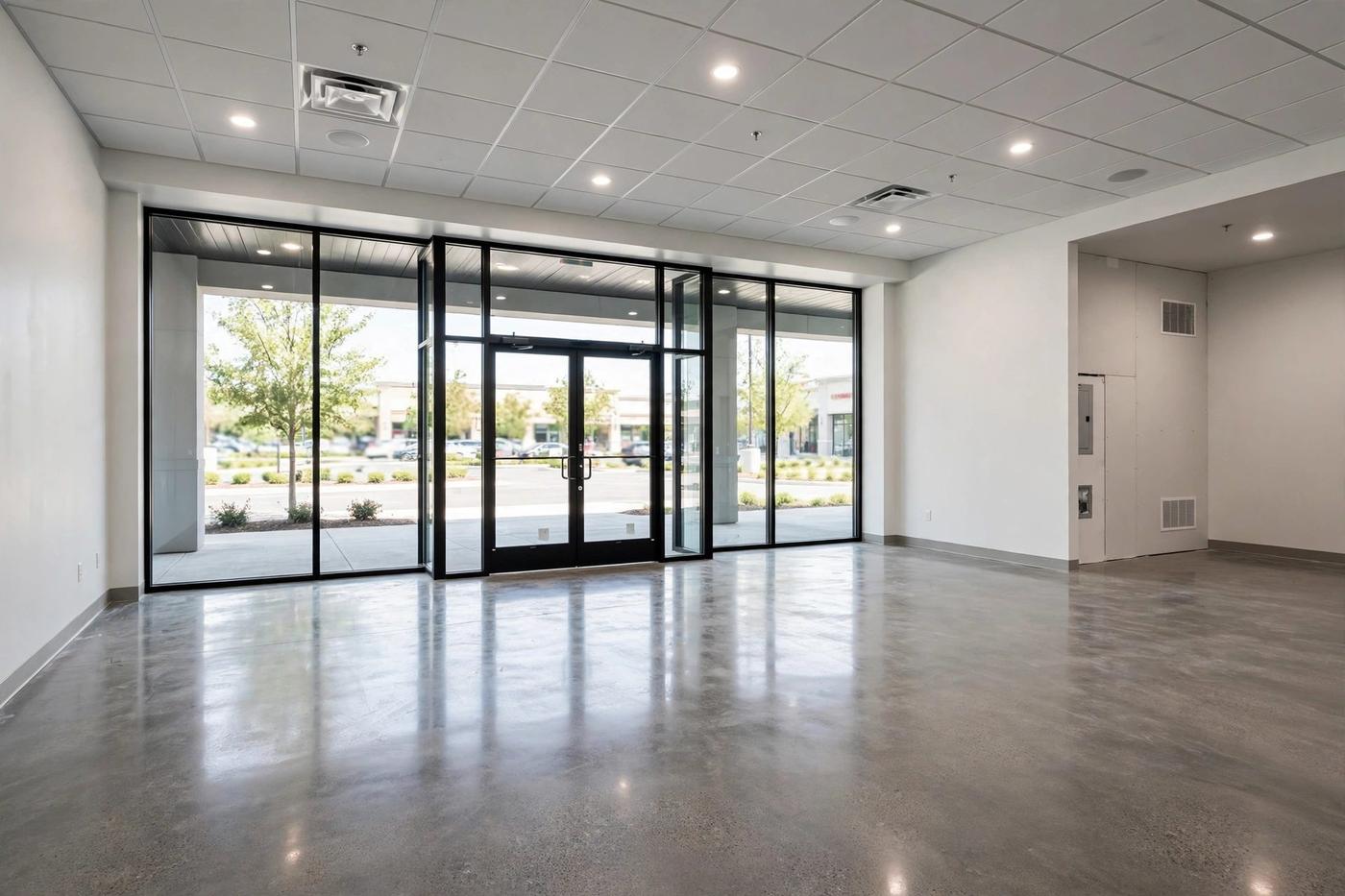
At New Life General Contracting, we do both — commercial and residential — and we are honest about where each project’s demands sit. Commercial build-outs, office renovations, and tenant improvements are a core part of our work, and so are the Victorian renovations and kitchens that homeowners live in. The crew, the schedule, and the plan change with the project. The standard does not. For a look at how we approach commercial projects specifically, see our commercial remodeling page.
FAQ
Can one contractor really do both commercial and residential well?
Yes — but only with real, recent experience in both, and with crews and subcontractors suited to each. Ask for finished projects in your category, not just a general portfolio. A contractor who is honest about their strengths is worth more than one who claims everything.
Is commercial construction always more expensive than residential?
Not per project — it depends entirely on scope. Commercial work tends to cost more per square foot when it involves heavy MEP systems, code-required fire and life-safety work, or specialized spaces like restaurants and medical offices. A simple office refresh can cost less than a high-end kitchen remodel. Compare scopes, not labels.
Do commercial projects always take longer?
Usually, yes, because of more trades, more inspections, and more approvals — landlords, architects, fire marshals, and health departments all have a say. But a small commercial refresh can finish faster than a major residential renovation. Timeline depends on scope and approvals, not just the commercial/residential label.
What’s the biggest mistake people make when choosing between the two?
Hiring on price alone, or hiring a contractor whose experience is in the other world. The cheapest bid often skips the very things — permits, insurance, coordination, proper systems — that keep a project from going sideways. The right contractor for your project is the one with proven work in your category and a plan that accounts for its specific demands.
Does a residential contractor need different insurance for commercial work?
Coverage requirements differ, and commercial projects — especially in leased or multi-tenant buildings — often require higher liability limits, additional insured endorsements, and proof of coverage for every subcontractor. Always ask for a current certificate of insurance and verify it, whatever kind of project you are planning. Our article on jobsite safety explains exactly what to ask for and why.
What should I ask a contractor before hiring for a commercial build-out?
Ask about their recent projects in your occupancy type, how they handle landlord approvals and inspections, who their superintendent will be, how they phase work if you need to stay open, and what their schedule assumes for permits. Vague answers on any of those are a red flag.
The Bottom Line
Commercial and residential construction are not two versions of the same job. They are different disciplines with different codes, schedules, budgets, crews, and definitions of done right. The contractor you hire should know which world your project lives in — and have the finished work to prove it.
Tim Lopata is the CEO of New Life General Contracting LLC, a family-owned and disabled veteran-owned general contractor serving residential and commercial clients across the Indianapolis, Indiana area.